Why alt text deserves special attention
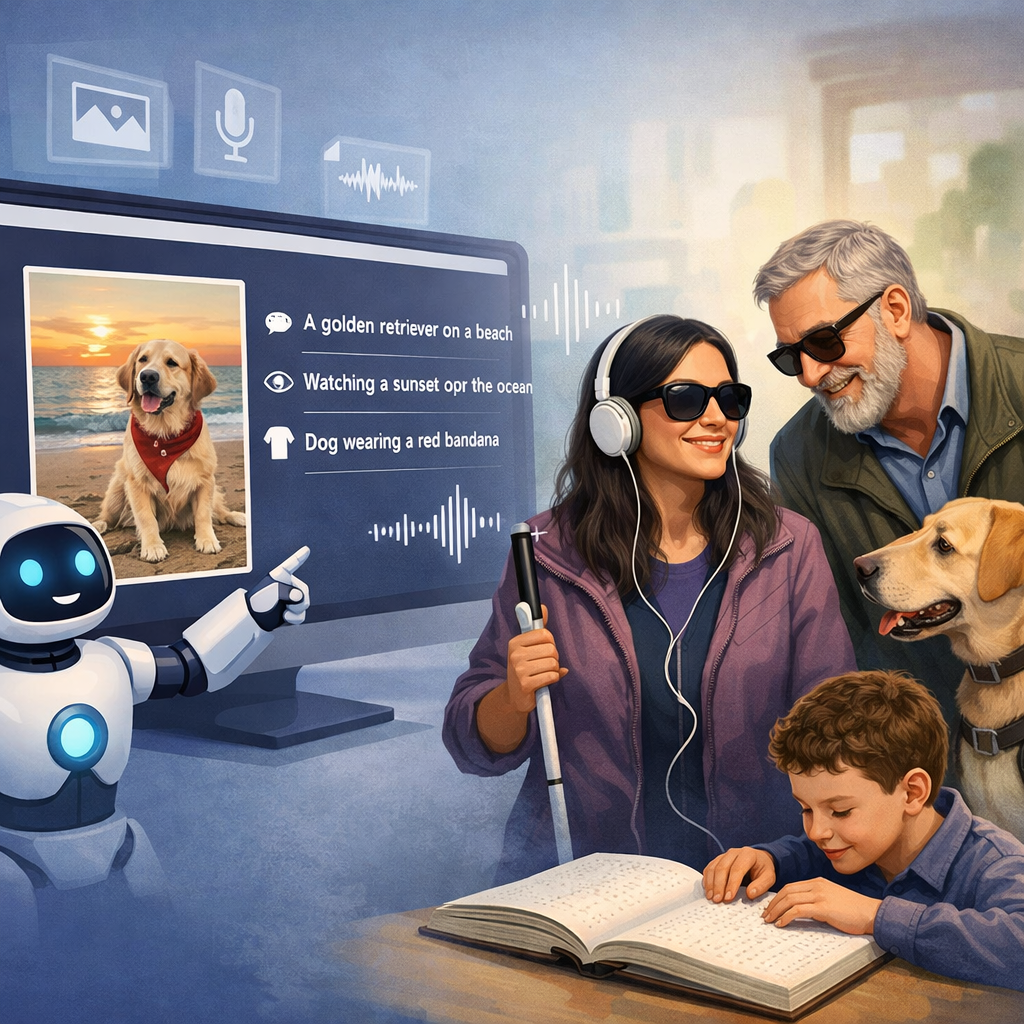
Alt text is a short written description that explains what appears in an image. It is often used by screen readers, displayed when an image does not load, and understood by search engines as supporting context. While many websites publish general image descriptions, alt text has a more specific role. It should help someone quickly understand the purpose of an image within the page, not simply list every visible detail. For a website like describeimageai.com, this topic complements broader articles about AI image descriptions by focusing on one practical output people often need right away. Good alt text improves usability, supports accessibility, and helps keep content clear across blogs, product pages, landing pages, and social content. It also encourages better content structure, because the writer must think about why the image is there and what information it adds. That is why learning how to create useful alt text is an important next step for anyone using AI to describe images.
Strong alt text starts with relevance. If an image shows a product, a person, a chart, or a scene, the description should reflect the key point that matters on the page. For example, if a travel article includes a beach photo, the alt text should mention the view only if that view supports the article. If the image is decorative and adds no meaning, it may not need descriptive alt text at all. Another good practice is to keep the wording concise. In many cases, one sentence is enough. Avoid starting with phrases like “image of” or “picture of,” because screen readers already identify images. It is also better to avoid keyword stuffing. Repeating search terms unnaturally can make the text harder to understand and less helpful for users. Clear, direct wording usually works best, especially when the goal is to explain the image quickly and accurately.

How AI can help create better alt text
AI can speed up the process of writing alt text by identifying visible elements, actions, objects, and settings in an image. This is especially useful for teams handling large content libraries or frequent uploads. Instead of writing every description manually from scratch, users can generate a first draft and then adjust it based on context. That last step matters, because the same image may need different alt text depending on where it appears. A photo of a laptop on a desk might be described one way in a product review and another way in a remote work article. AI helps by surfacing the main visual details, while the user decides which details are most important for the page. This combination of automation and human review often leads to faster, more consistent results. It can also reduce the risk of leaving images without descriptions, which is a common issue on many websites.
When reviewing AI-generated alt text, it helps to ask a few simple questions. Does the text match the image? Does it reflect the image’s purpose on the page? Is it short enough to scan easily but detailed enough to be useful? If the image includes text, branding, or data that matters, that information may need to be included as well. For charts and complex visuals, a short alt text may not be enough on its own, and a longer explanation in the page content may be more appropriate. This is where a tool like DescribeImageAI can fit naturally into a content workflow: it can generate a clear starting point, support consistency across many pages, and help users save time without losing quality. By treating alt text as a practical communication tool rather than a technical extra, websites can create a better experience for readers, improve accessibility, and make image content more useful overall.