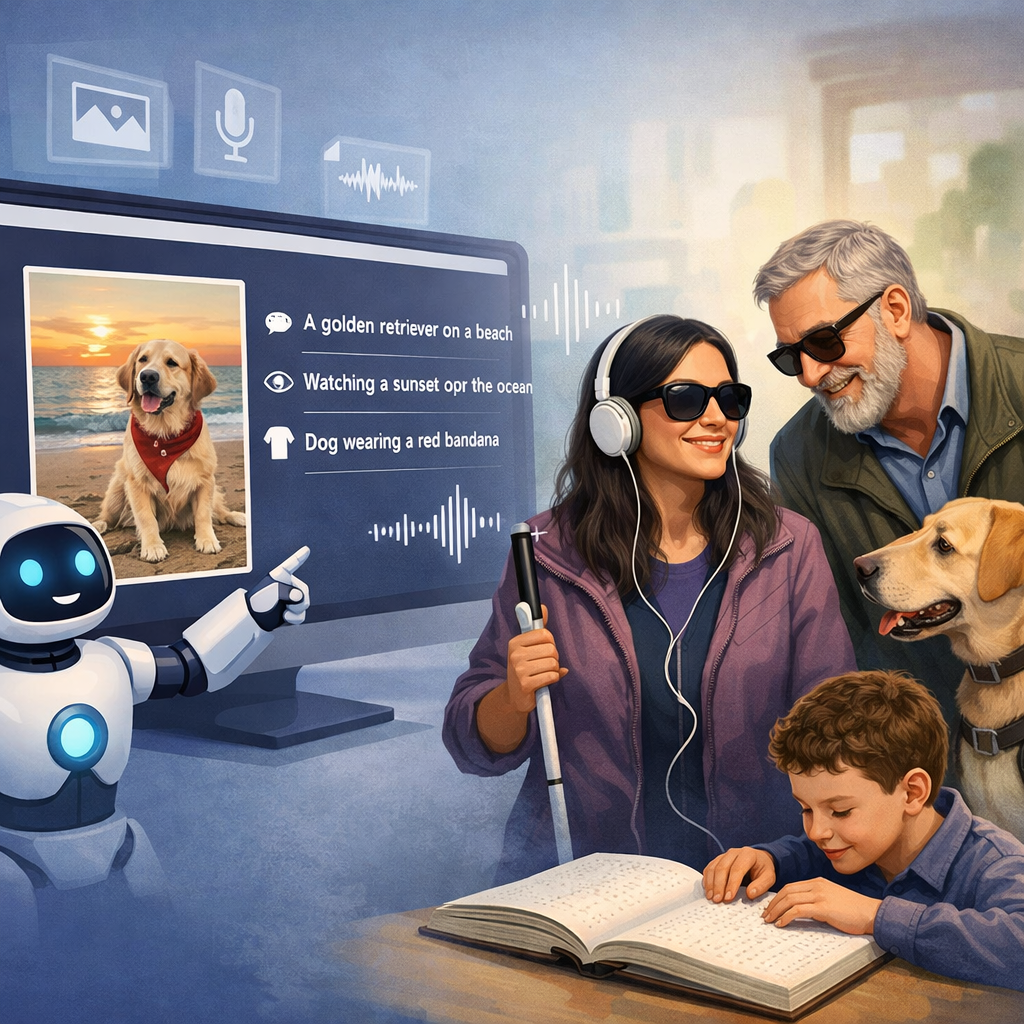
Why image descriptions matter online
Images are everywhere on the web, but many people and search engines cannot “see” them the way humans do. A good image description turns a picture into clear words that anyone can understand. This is important for accessibility, because screen readers use text to explain images to people who are blind or have low vision. It is also important for SEO, because search engines rely on text signals like alt text, file names, and surrounding content to understand what an image is about. When your images have accurate descriptions, your pages can become easier to discover, and your content can reach more users. For creators, bloggers, small businesses, teachers, and marketers, this means more traffic, better user experience, and fewer missed opportunities. DescribeImageAI.com focuses on making this job simple: you upload an image, and the tool helps you produce a description that is useful, natural, and relevant. Instead of guessing what to write or spending time on repetitive captioning, you can generate a strong first draft in seconds and then adjust it to match your style.
What an AI image describer does
An AI image describer analyzes an image and suggests text that explains what is visible. This usually includes key objects, the setting, actions, colors, and sometimes the mood or context. For example, an AI can notice that a photo shows a dog running on a beach at sunset, or that a product image shows a black leather backpack with silver zippers on a white background. The best descriptions are not just lists of items; they are short, readable sentences that help the reader understand the scene quickly. At DescribeImageAI.com, the goal is to help you create descriptions for many needs: alt text for websites, captions for social media, product details for e-commerce, and summaries for documents or presentations. AI is especially helpful when you have a large library of images to process, such as an online store with hundreds of product photos, a blog with years of posts, or a team managing content for multiple clients. In these cases, the tool saves time and supports consistency, so your descriptions stay clear across your entire site.

How to write better alt text with AI help
AI can generate a draft, but good results also depend on how you use the output. A strong alt text description is usually short, specific, and focused on what matters. If the image is decorative, you may not need a detailed description at all. If the image contains important information, like a chart or a step-by-step diagram, you need to describe the key message, not every tiny detail. A helpful rule is to ask: what would a person miss if they could not see the image? For SEO, it also helps to include a relevant keyword when it fits naturally, but avoid keyword stuffing. For example, instead of “backpack backpack backpack,” write “Black leather travel backpack with front pocket and silver zipper.” If the image includes text, consider whether that text should be included in the description, especially if it communicates something essential like a sale price, a warning label, or a quote. AI makes it easier to get started, and then you can edit to keep the description accurate and aligned with your page content. This approach keeps your site accessible while also supporting search visibility in a natural way.
Common use cases for DescribeImageAI.com
People use image description tools for many different reasons, and each use case benefits from quick, reliable wording. Website owners often need alt text for accessibility and SEO, especially when adding new blog posts or landing pages. E-commerce sellers use descriptions to highlight product features and create better listings across marketplaces. Social media managers use captions to explain photos and improve engagement, and some also add image descriptions for accessibility on platforms that support it. Students and teachers use AI descriptions to summarize visual materials like historical photos, lab images, or art references. Content teams use them to speed up workflows when building presentations, reports, and documentation. Another important use case is organizing image libraries: clear captions and tags help you search and sort images later, which is valuable for agencies, photographers, and businesses with large media folders. DescribeImageAI.com is designed to support these everyday needs by generating descriptions that are easy to read and quick to adapt, so you can spend more time creating and less time rewriting the same kind of text again and again.
Tips to get accurate results and stay consistent
To get the best output, use clear images when possible, and provide context when your project needs it. For instance, a product photo on a store page should match the product name and category, while a blog image should match the topic of the article. After generating a description, review it for accuracy: check colors, counts, and important details like brand marks or unique features. If the image is sensitive or involves people, keep the wording respectful and avoid guessing personal traits that cannot be confirmed, such as age, identity, or health conditions. Consistency also matters for SEO and usability. Consider using a simple style guide: keep alt text under a certain length, use present tense, avoid phrases like “image of” when not needed, and use the same naming pattern for similar products. Over time, this creates a cleaner site that is easier to maintain. With the right process, DescribeImageAI.com can become your go-to tool for turning images into clear text that supports accessibility, improves search performance, and saves time every day.