Why image descriptions matter for everyone
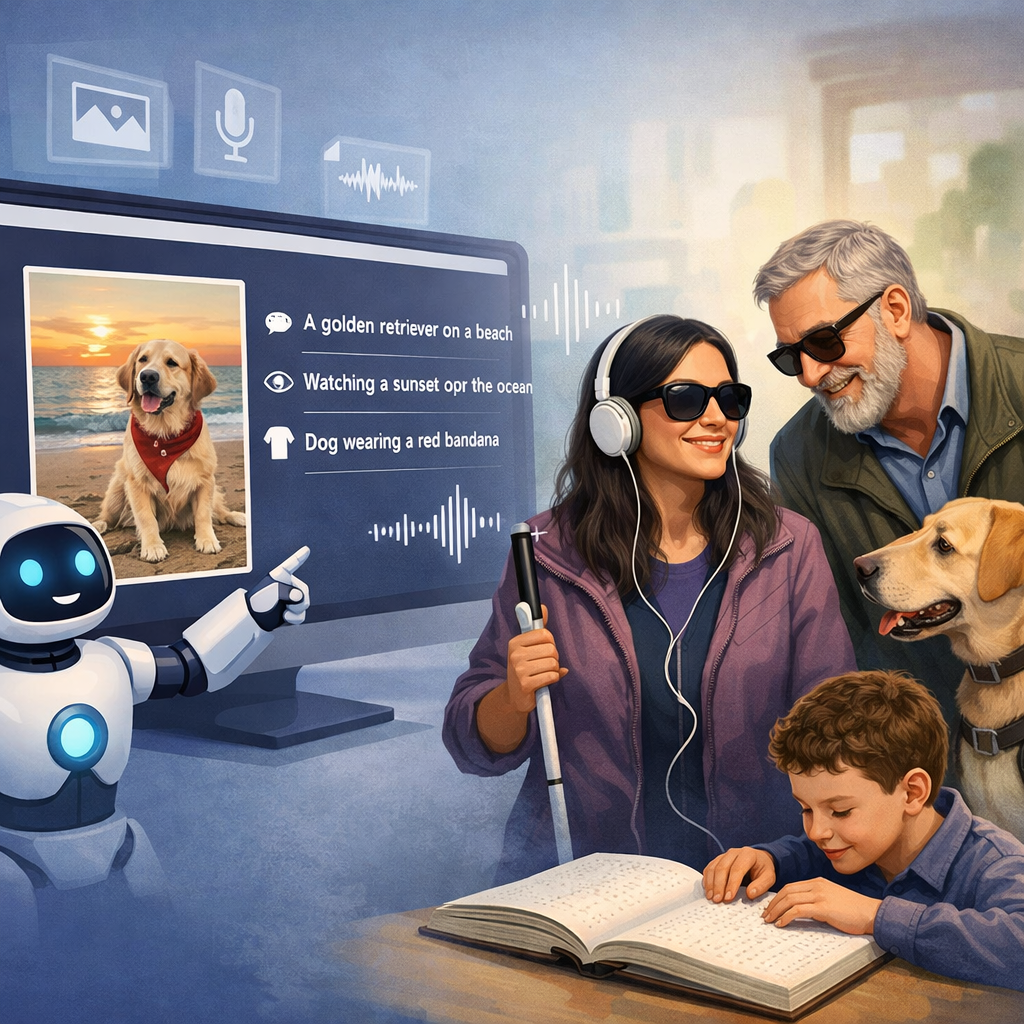
Image descriptions are short texts that explain what is shown in a picture. They help people understand images when the image cannot be seen, cannot be loaded, or is hard to interpret. This is important for accessibility, because many users rely on screen readers and need clear alt text to follow content. It is also useful for everyday tasks, like organizing personal photos, writing social media captions, creating product listings, or adding context to blog images. Good descriptions do more than name objects. They tell the main subject, the key details, the setting, and the action in a simple and trustworthy way. When done well, they make content easier to use and more inclusive, and they reduce confusion for readers who want quick clarity. For website owners, image descriptions can also support SEO by helping search engines understand what an image contains, which can improve visibility in image search and overall page relevance. The best part is that you do not need to be a professional writer to create them. With the right AI tool, you can get accurate, consistent descriptions in seconds.
What makes an AI image describer useful
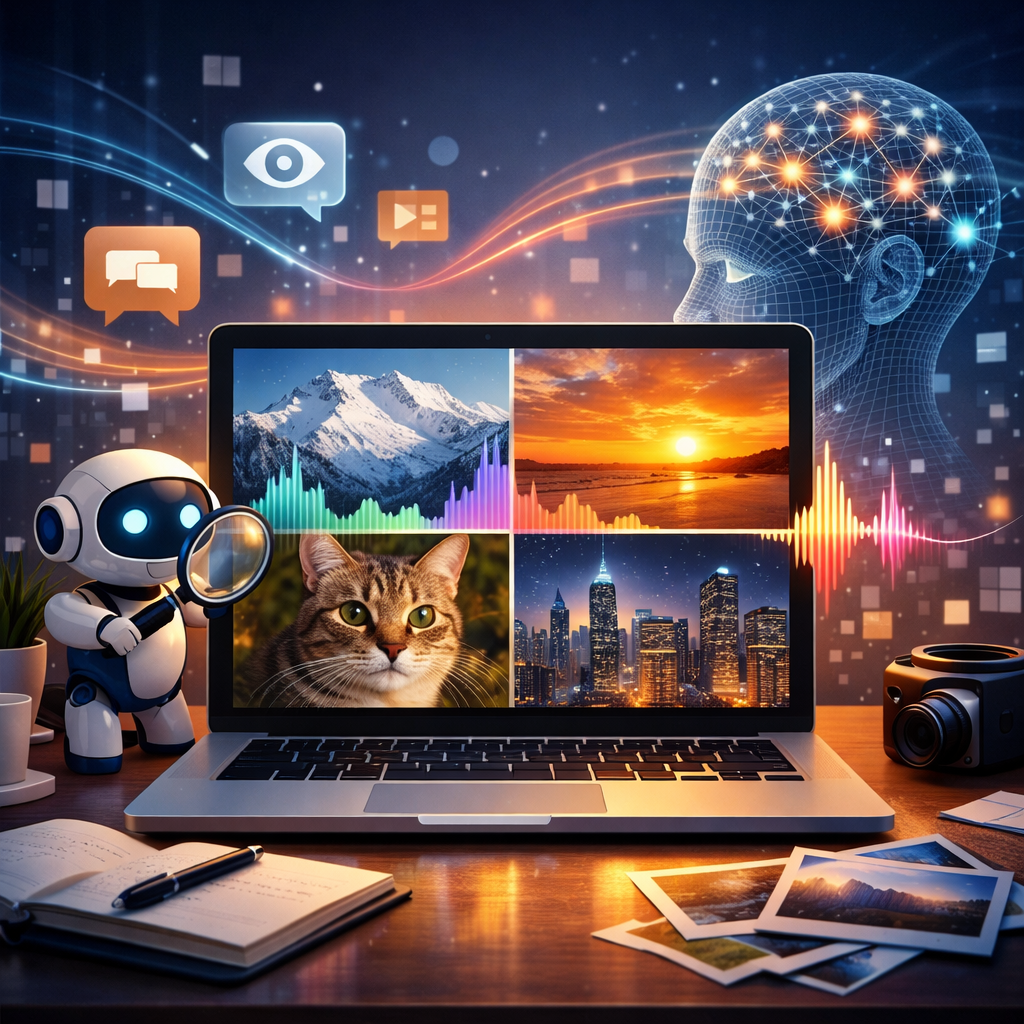
An AI image describer analyzes an image and turns what it “sees” into natural language. The most helpful tools focus on clear structure and avoid guessing. That means they can identify the main subject, recognize common objects, read visible text when possible, and describe the scene in a way that sounds human. A strong describer also adapts to different needs. Sometimes you want a short caption for a post. Other times you need detailed alt text for accessibility or a longer description for a report. The best AI describers can produce different lengths and styles without becoming vague. They also keep the language simple, so the description is easy to understand for a wide audience. Another useful feature is consistency. If you are describing many images for a website or catalog, you want the same tone and the same level of detail each time. That consistency saves time and helps your pages look professional. On describeimageai.com, the goal is to make image description fast, clear, and practical, so you can spend less time writing and more time publishing content that people can understand.

How to get better results from image description tools
Even though AI can do most of the work, you can improve the output by choosing the right image and providing a small amount of guidance. Start with a clear image that shows the subject without heavy blur or extreme darkness. If the image is a screenshot, make sure the text is readable. If it is a product photo, include angles that show the important parts, such as the label, color, and shape. When you generate a description, think about the purpose. For alt text, focus on what matters and keep it concise. For example, “Woman holding a red umbrella in the rain on a city street” is better than listing every background detail. For social media captions, you might want a more friendly tone that includes mood and context. For ecommerce, emphasize the product name, material, color, and key features. After you get the AI output, do a quick review. Remove anything that feels like a guess, and correct brand names or specific facts if you know them. Also, avoid keyword stuffing for SEO. Search engines prefer natural language that accurately describes the image. A simple, honest description usually performs better than a long one full of repeated phrases.
Common use cases for businesses and creators
AI image descriptions help in many real-world situations. Bloggers and news sites use them to create consistent alt text across large libraries of images. Marketing teams use them to draft captions and creative variations for campaigns. Online stores can generate first-pass product descriptions for images, especially for large inventories where manual writing takes too long. Educators and students can use descriptions to support learning materials, making visual content easier to study and share. Customer support teams can summarize screenshots to speed up troubleshooting, especially when users send images of error messages or settings pages. Real estate listings benefit too, because AI can describe rooms, furniture, lighting, and outdoor features quickly. Even personal users can organize photo collections by generating descriptions they can search later, like “sunset at the beach with people walking near the water.” Across all these cases, the key value is speed without losing clarity. Instead of starting from a blank page, you get a solid draft that you can publish or refine. This is why tools like describeimageai.com fit well alongside guides such as “How to describe any image with AI,” because they turn the idea into a repeatable workflow you can use every day.
Best practices for alt text and SEO friendly captions
If your main goal is accessibility, alt text should be short and focused on meaning. Describe what is important for understanding the content of the page. If the image is decorative and adds no meaning, it may not need detailed alt text. If the image contains text that is essential, include that text in the description. Avoid phrases like “image of” or “picture of” unless needed, because screen readers already announce that it is an image. For SEO, the same rule applies: clarity first. Use natural wording, include key terms only when they are truly part of the image, and keep the description relevant to the surrounding content. For captions, you can be more flexible. Captions can add context, emotion, or a call to action, but they should still match what is actually shown. A good approach is to generate a clear description first, then adapt it into a caption if needed. For example, turn “A plate of spaghetti with tomato sauce and basil on a wooden table” into “Classic spaghetti with fresh basil, ready to serve.” By following these simple steps, you can create better content faster, improve user experience, and keep your site more accessible. With describeimageai.com, you can generate accurate image descriptions quickly and build a library of clear captions and alt text that supports both readers and search engines.