Why image descriptions matter for everyone
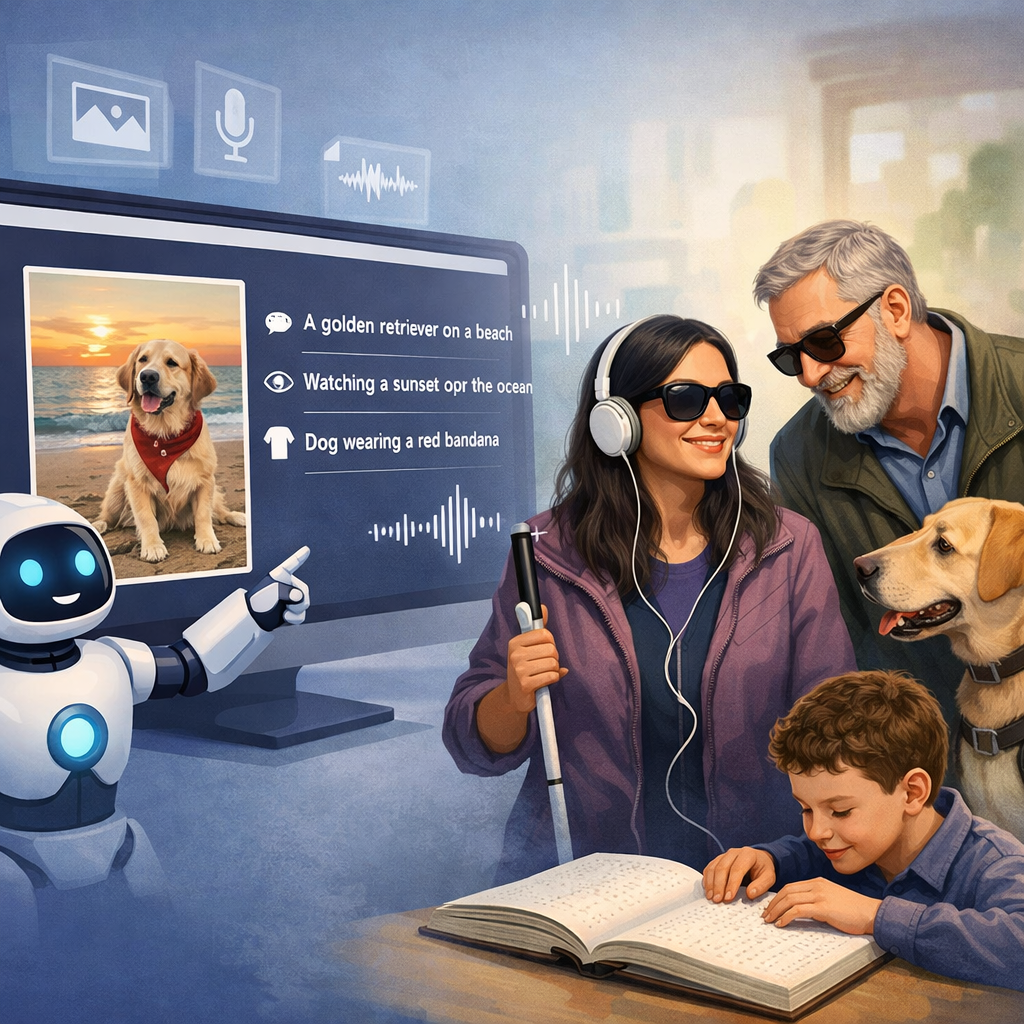
Images are everywhere: on blogs, online stores, school projects, social media, and business websites. But an image alone does not always tell the full story to every viewer. Some people use screen readers, some have slow connections where images do not load, and some simply want a quick summary without studying the picture. That is why clear image descriptions are important. They support accessibility, improve user experience, and help search engines understand what your page is about. A good description can also reduce confusion and make your content more useful. For example, if a photo shows a “small dog playing in snow,” that detail can help a reader understand the mood and context of the page. For website owners, descriptions can improve SEO by giving search engines meaningful text to index. For creators and marketers, better captions can boost engagement because readers quickly understand the message behind the visual. Describeimageai.com focuses on making this process simple, so you can turn visuals into helpful text in seconds.
What an AI image describer does
An AI image describer looks at an image and produces text that explains what is visible. It can identify objects (like “laptop,” “coffee cup,” “car”), people (such as “a woman smiling,” “a child holding a balloon”), actions (like “running,” “cooking,” “presenting”), and scenes (like “beach at sunset,” “office meeting,” “mountain trail”). Many tools can also capture style details such as lighting, colors, and overall mood. This is useful when you need more than a basic caption. For example, an online seller might need a product-focused description, while a blogger might want a more story-like caption. With AI, you can usually choose the length and tone: short and direct for alt text, or longer and more expressive for social posts. The goal is not to replace your voice, but to speed up the first draft so you can edit and publish faster. On describeimageai.com, the main idea is speed and clarity: you upload or provide an image, and the tool generates a clean description you can copy and reuse across different platforms.
Best uses for AI generated image descriptions
One of the most common uses is writing alt text for accessibility. Alt text should be accurate, specific, and not overly long. AI can help you get a strong starting point, especially when you have many images to handle. Another major use is creating captions for social media, where you want quick text that matches the image and grabs attention. AI descriptions are also valuable for e-commerce: product photos can be described in consistent language, helping shoppers understand features like shape, color, and material. Teachers and students use image descriptions for learning materials, presentations, and visual analysis exercises. Content writers use them to build better context around an image and to avoid generic lines like “image of a person” that do not add value. There are also practical uses in documentation and support, such as describing screenshots, charts, or step-by-step images for tutorials. If your website has many images, AI can reduce the time it takes to produce helpful text while keeping your content readable. The key is to review the output and adjust it for your audience, especially if the image includes brand names, special terminology, or sensitive details that require careful wording.
How to get better results from an image describer
To get the best description, start with a clear image. Sharp photos with good lighting are easier to interpret than dark, blurry, or heavily filtered ones. If you need a specific type of text, decide that before generating. For accessibility, aim for a short, factual summary of what matters. For SEO, include meaningful nouns and context that match the page topic, but do not stuff keywords. For social captions, you might want a bit more personality, but still keep it true to the image. After the AI generates text, review it like you would any draft. Check for accuracy: are the objects correct, is the action described properly, and is the setting right? Remove guesses if something is unclear. If the image includes text (like a sign or a label), confirm it matches what is written. If the image has people, be careful with personal attributes. It is usually better to describe visible details like clothing, posture, and activity rather than making assumptions. A quick edit can turn a decent AI description into a great one that fits your website style. Over time, you can develop a consistent format, such as starting with the main subject, then adding background details, then the purpose of the image.
Why describeimageai.com is a smart choice
Describeimageai.com is built for people who want quick, clear, and useful image descriptions without extra effort. Whether you need alt text for accessibility, captions for posts, or descriptions for products and articles, the goal is to help you write better text faster. Instead of staring at an image and trying to find the right words, you can generate a strong draft and then refine it. This is especially helpful for busy site owners managing many pages, creators posting regularly, and teams trying to keep a consistent tone. AI descriptions can also help you avoid missing important details, because the tool scans the full image and summarizes what it finds. The result is a smoother workflow: upload, generate, copy, and edit if needed. As you add more images to your website, having a reliable way to describe them becomes a real advantage for accessibility and SEO. If you want your images to be understood by more people and indexed better by search engines, using an AI image describer is a practical step that saves time and improves content quality.