Why image description matters in daily digital life
Images are now a major part of how people communicate online. Photos, screenshots, charts, product images, social media posts, and scanned documents appear across websites, apps, and work platforms every day. While visuals can share information quickly, they are not always easy to understand at a glance. Some images contain complex scenes, small details, or text that may be overlooked. Others may be inaccessible to people who rely more on written content. An AI image describer helps turn visual information into clear language, making images easier to review, search, and understand. For a website like describeimageai.com, this makes the process simple for users who need fast and readable descriptions without manual effort.
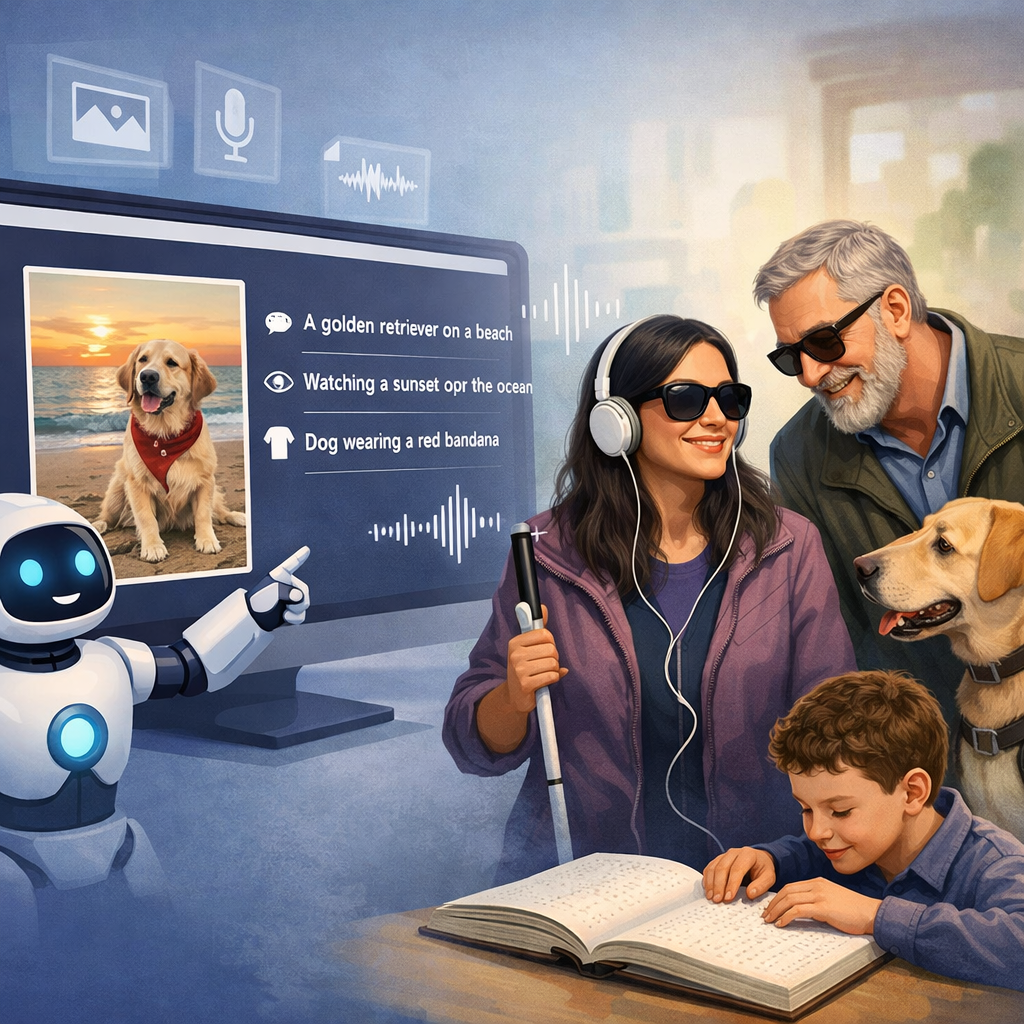
One of the most common use cases is improving accessibility. People with visual impairments may need written descriptions to understand what an image shows. In other cases, users may want a short explanation of a picture before deciding whether to open, save, or share it. This is also useful in noisy, busy, or mobile settings where reading a quick description is easier than closely inspecting an image. AI-generated descriptions can support better communication in personal and professional contexts by helping users understand the main subject, visible actions, setting, objects, colors, and sometimes text found within the image. As image-heavy content continues to grow, tools that convert visuals into language become more useful for everyday tasks, content management, and accessible browsing.

Practical uses for work, study, and content creation
An AI image describer can support many work-related tasks. Teams often handle large numbers of images in marketing, ecommerce, education, customer support, and internal documentation. Instead of writing every description manually, users can generate a useful summary in seconds. This can help when organizing files, preparing reports, reviewing screenshots, or adding supporting text to digital content. Online sellers may use image descriptions to better understand product photos and draft clearer catalog content. Marketing teams may use them to speed up caption writing for campaigns or blog articles. In customer support, a screenshot can be described quickly to help explain an issue or document what appears on a screen. In these settings, AI saves time while making image content easier to process and share.
Students and educators can also benefit from image description tools. Educational materials often include diagrams, historical images, scientific illustrations, and presentation slides. A text description can help users identify the key elements of an image before a deeper analysis begins. This can be useful for study notes, revision materials, and classroom accessibility. Content creators may use an AI image describer to produce first-draft captions, social media text, or metadata for media libraries. It can also help bloggers and website editors create supporting descriptions that improve clarity for readers and structure for search engines. While the output may still need a quick human review for tone or context, the tool can reduce repetitive work and make visual content easier to manage across many types of projects.
How AI image descriptions support accessibility and SEO
Accessibility is one of the strongest reasons to use an AI image describer. Websites that include clear image descriptions can better support users who depend on screen readers or written explanations. When images carry important meaning, descriptive text helps ensure that information is not lost. This is valuable for news articles, online stores, educational pages, and service websites. AI can help site owners create a starting point for this content more efficiently, especially when there are many images to process. A platform such as describeimageai.com can make this easier by allowing users to upload an image and receive text that captures its visible content. This supports a more inclusive online experience and helps teams build better habits around image accessibility.
Image descriptions can also support search visibility when they are used thoughtfully. Search engines rely on text to understand webpage content, and well-written descriptions can provide extra context around images. This may help with image indexing, page relevance, and overall content quality. For example, a product page with clear image-related text may be easier for search engines to understand than a page that only contains visuals. The same idea applies to blog posts, landing pages, and portfolios. Good descriptions should stay accurate, natural, and relevant to the image itself. Overloading text with keywords is not helpful. Instead, concise and useful language creates a better experience for both readers and search systems. This makes AI image description a practical tool for websites that want stronger accessibility and better content structure.
Choosing the right moments to use an AI image describer
Not every image needs the same level of detail, so it helps to know when an AI image describer is most useful. For quick browsing, a short summary may be enough to identify the subject of a photo or the purpose of a screenshot. For accessibility-focused content, users may want a clearer and more specific description that covers important objects, actions, and context. In business settings, speed may matter most when processing many files. In editorial or educational settings, accuracy and clarity may be the top priorities. The value of an AI tool comes from giving users a fast starting point that can fit these different needs. It turns visual information into usable text without requiring expert knowledge or a long manual workflow.
For users of describeimageai.com, the main advantage is convenience. A simple tool that describes images with AI can help with daily tasks such as understanding uploaded photos, writing better captions, reviewing visual content, or preparing accessible website text. It can support individuals, teams, teachers, students, creators, and businesses that work with images on a regular basis. The best results often come when AI-generated text is treated as a helpful draft that can be checked and adjusted if needed. Even so, the time saved is significant, especially when dealing with repeated or high-volume image tasks. As digital content keeps becoming more visual, AI image describers will continue to play an important role in helping people turn images into useful, searchable, and accessible information.