Understanding AI image descriptions in plain language
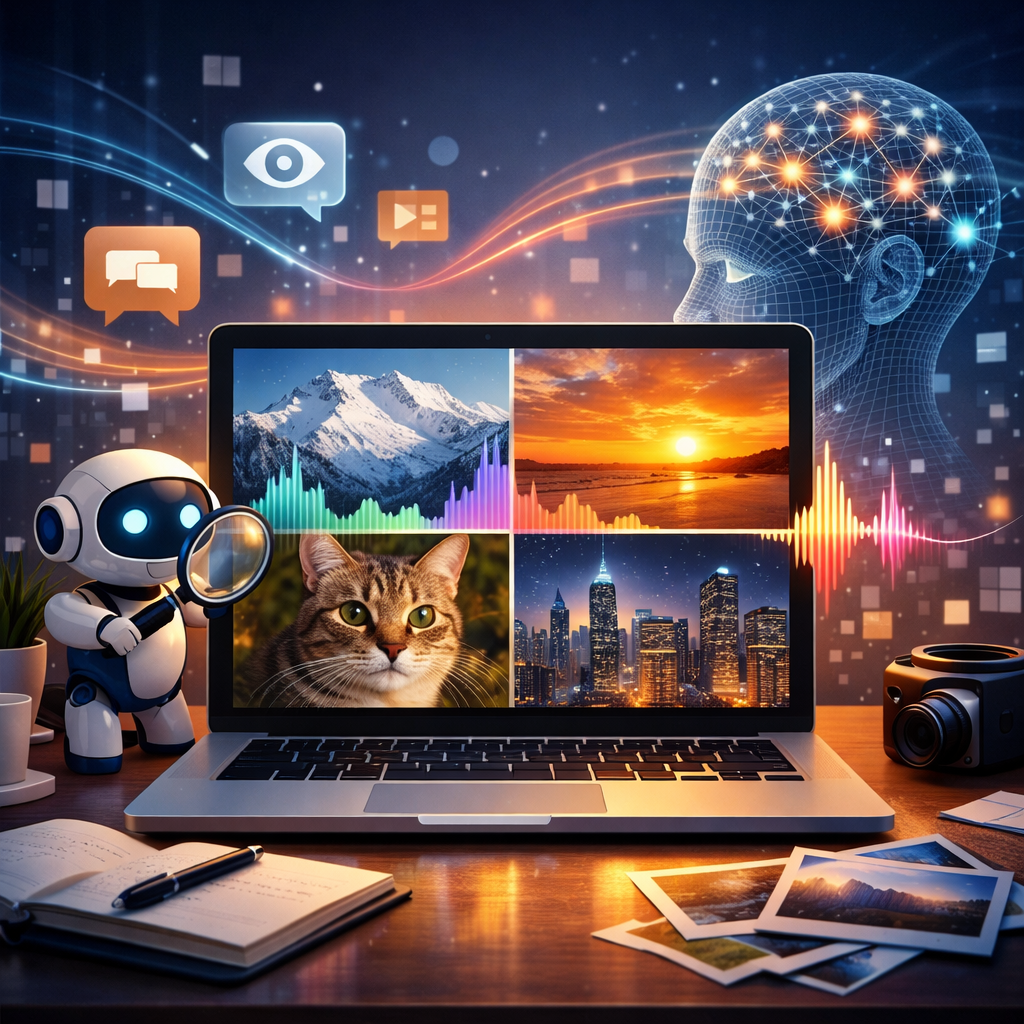
An AI image describer is a tool that looks at an image and turns what it “sees” into text. The result can be a short caption, a longer description, or a structured summary depending on what the tool is designed to produce. In simple terms, it helps translate visual information into words that can be read, searched, saved, and shared. This is useful because images often carry key details that are not available to people who cannot view them clearly, and because images are not always easy to organize or understand at scale without text. A strong description usually includes the main subjects in the scene, their actions, and any important context, such as the setting, objects, or visible text. Some descriptions are designed for quick understanding, while others aim to be more detailed and precise.
In practice, the quality of an image description depends on factors like image clarity, lighting, angle, and how complex the scene is. A photo with one clear subject is easier to describe than a crowded scene with many overlapping objects. The goal is not only to name items but to provide meaning. For example, “a person holding a cup” is a start, but “a person holding a takeaway coffee cup while walking on a city sidewalk” gives more context. When an AI tool generates descriptions, it can help users work faster by reducing manual writing. It can also help make content more accessible by offering text alternatives that explain what is present in an image. DescribeImageAI.com fits within this type of tool: it focuses on helping users convert images into clear text output that can be used in everyday situations where understanding and communication matter.

Common use cases for captions, alt text, and content workflows
One of the most common uses for an AI image describer is caption writing. Captions are useful on social media, in presentations, in documents, and anywhere images need a short explanation. A good caption is usually brief and focused on the main point of the image. Another major use case is alt text, which is text added to images on websites and in apps to support accessibility and to provide a textual fallback when an image does not load. While the exact requirements for alt text can vary by platform and context, it generally works best when it describes the key information the image provides. For informative images, that means capturing essential details; for decorative images, the best choice may be a minimal description or an empty alt attribute, depending on the design intent. An AI-generated starting point can speed up this work, but many teams still review and edit text to match tone, accuracy, and purpose.
AI image descriptions can also support content organization. Teams with large libraries of images often need a quick way to understand what each file contains without opening it. Descriptions can make it easier to sort, search, and reuse assets by adding text that reflects the image’s content. This is helpful in marketing, e-commerce, education, and internal documentation, where images appear in many places and need consistent labeling. Students and researchers may use descriptions to capture what is shown in figures, photos, or screenshots for notes. Customer support teams might summarize screenshots to speed up issue reporting. In each of these workflows, the main benefit is time saved and clarity gained. DescribeImageAI.com can complement existing processes by producing readable descriptions that help users move from image to action, whether that action is publishing content, documenting information, or communicating details to someone else.
How to get better results from an AI image describer
Better inputs usually lead to better descriptions. If possible, use images with good resolution and clear subjects. Cropping can help when the important detail is small or lost in a busy background. If you need a description of a specific part of an image, such as a product label or a sign, providing a close-up image often improves the quality of the output. Clean screenshots also tend to produce clearer descriptions than photos of screens, because glare and blur can hide text and interface elements. When images include readable text, such as menus, packaging, or presentation slides, it helps if that text is large enough and not distorted by perspective. If the image is very complex, consider generating a general description first and then focusing on a second image that highlights the most important section.
It also helps to know what kind of description you need before generating one. A short caption for a social post is different from alt text for a website, and both are different from a detailed description used for documentation. If a tool allows you to choose a style or length, match that to your goal. For accessibility-focused text, prioritize what matters for understanding and avoid unnecessary filler. For product or marketing use, you may want a description that includes brand-relevant details like color, material, or setting, but still stays accurate to what is visible. After you receive an AI-generated description, a quick review is valuable, especially when the image contains critical information. Check that names, numbers, and relationships are correct, and remove assumptions that are not clearly shown. The best workflow is often “generate, review, and refine,” keeping the final text aligned with the purpose of the image.
Privacy, reliability, and responsible use of image descriptions
When using any AI image describer, privacy and responsible handling of images matter. Users may upload personal photos, work documents, or screenshots that include sensitive information such as names, addresses, account details, or private conversations. A practical habit is to review images before uploading and remove or blur sensitive areas when possible. In professional settings, teams often set rules about what types of images can be processed and what requires additional approval. The same care applies to images involving children, medical information, or confidential business material. Responsible use also means understanding limitations: AI descriptions can be incorrect or incomplete, especially in ambiguous scenes, low-quality images, or images with specialized context. Because of that, descriptions should be treated as helpful output rather than guaranteed truth in high-stakes situations.
Reliability improves when users keep expectations realistic and apply human review where accuracy matters. If an image is used to make decisions, support compliance, or represent someone publicly, verifying the description is important. For web accessibility, quality checks help ensure the text actually conveys what users need to know. For content teams, consistency in tone and terminology keeps a site professional and searchable. DescribeImageAI.com can serve as a fast way to convert visuals into clear text, but the most effective results come from pairing automation with simple editorial judgment. This balanced approach helps users get the speed benefits of AI while maintaining accuracy, privacy, and clarity. Over time, building a repeatable process for generating, reviewing, and applying image descriptions can make image-heavy workflows easier to manage and more inclusive for a wider audience.