Why prompt templates improve image descriptions
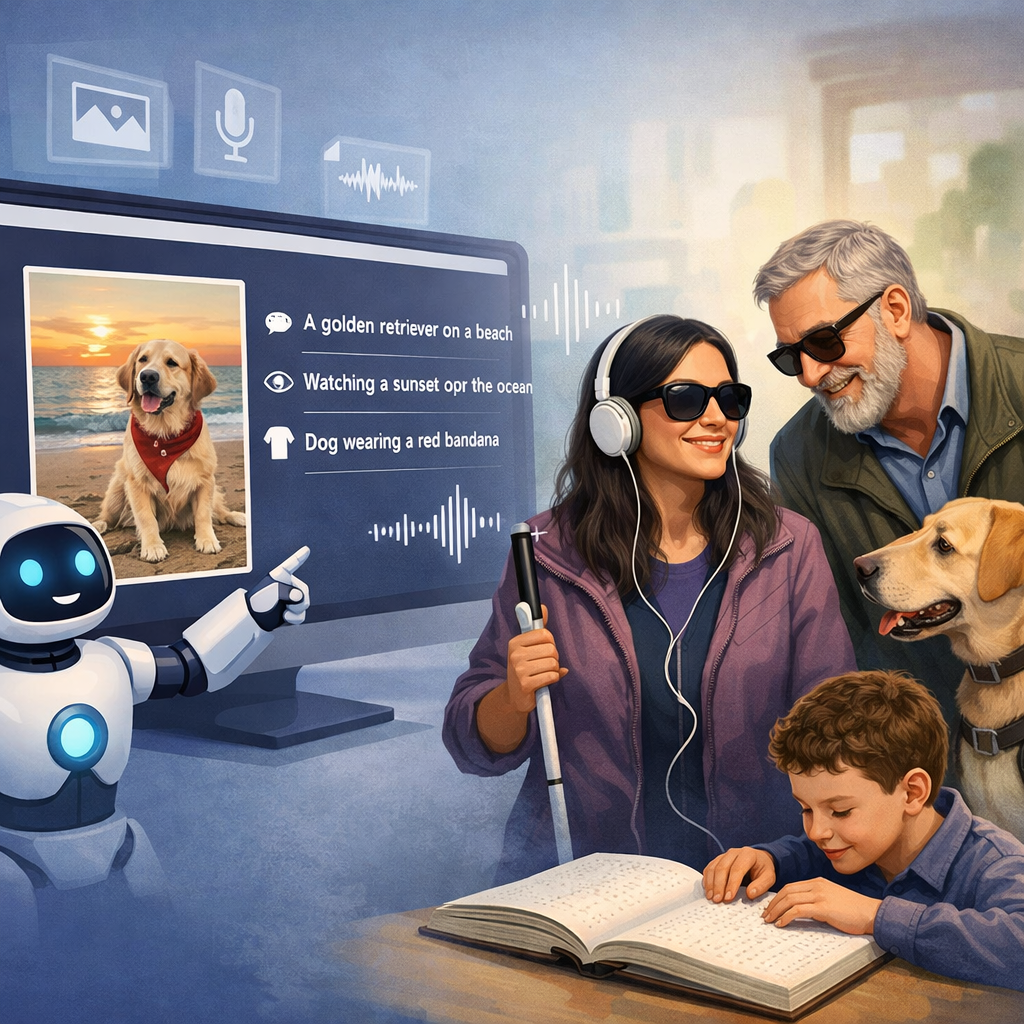
Prompt templates give users a simple way to get more useful image descriptions from AI without starting from scratch every time. On a website focused on describing images with AI, this topic fills an important gap because many people understand that prompts matter, but they still need a practical structure they can reuse. A good template helps define the goal of the description, the level of detail, and the kind of information that should be included or left out. This can lead to descriptions that are clearer, more relevant, and easier to use for accessibility, research, content planning, or everyday understanding. Instead of typing a different request for each image, users can rely on a repeatable format that saves time and improves consistency across many tasks.
Prompt templates are especially useful because images can vary widely. A product photo, a chart, a meme, a classroom slide, and a street scene all need different types of description. Without a clear structure, users may get responses that are too short, too vague, or focused on the wrong details. A template acts like a guide for the AI by telling it what to pay attention to, such as objects, actions, text, layout, mood, or context. It also reduces the need for trial and error. For teams, templates can create a shared standard so that descriptions look and feel similar across projects. For individual users, they reduce effort while making results more predictable.

Core elements of an effective prompt template
An effective image description prompt template usually includes a few basic parts. First, it should state the purpose of the output. For example, the user may want alt text, a detailed visual summary, a caption, or a description focused on text inside the image. Second, it should define the audience. A description for a shopper, a student, or a blind or low-vision user may need different wording and levels of detail. Third, it should set the desired length, such as one sentence, a short paragraph, or a detailed explanation. Fourth, it should name the priorities. These might include visible objects, actions, colors, emotional tone, scene setting, on-image text, or data shown in a chart. Finally, it can include limits, such as avoiding guesses about identity, intent, or events not clearly visible in the image.
A simple reusable template might follow this pattern: describe this image for [purpose] in [length]. Focus on [key details]. Include any visible text if relevant. Use clear and neutral language. Do not guess information that is not visible. This type of format is flexible enough for many situations while still giving the AI clear instructions. A product-focused version could ask for item type, color, material, and visible features. A screenshot-focused version could ask for interface elements, buttons, alerts, and readable text. A learning-focused version could ask for a step-by-step explanation of what appears in a diagram. The best template is not the most complex one. It is the one that matches the task and consistently produces useful results.
Prompt template examples for common image types
Different image categories benefit from different templates. For a general scene, a useful template is: provide a concise description of this image in two to three sentences. Identify the main subject, important actions, and the setting. Mention notable colors or objects only if they help explain the image. For alt text, a stronger template is: write alt text for this image in one sentence. Focus on the most important visible information and keep it direct and objective. For product images, the template can ask for the product name if visible, category, color, design, and any distinctive visible features. For screenshots, the prompt can request a structured description of the layout, main interface sections, visible labels, and any error or status messages shown on screen.
Templates can also support more specialized tasks. For charts or graphs, a prompt can ask the AI to describe the chart type, labels, visible trends, and key comparisons without interpreting data beyond what is shown. For documents, a template may request a summary of the page structure, headings, tables, images, and any readable text. For social content, the prompt can focus on the main visual idea, branding elements, and text overlay. For educational images, it may help to request identification of the central topic, important components, and how the parts relate to each other. These examples show why one general prompt is often not enough. By choosing a template that fits the image type, users can get descriptions that are more complete and more relevant to the real task.
How to build and refine a template library
Creating a small library of prompt templates can make an AI image description workflow much more efficient. A practical starting point is to list the image types that appear most often, such as product photos, screenshots, marketing graphics, real-world scenes, charts, and scanned documents. Then create one template for each category based on the exact information users need most. Keep each version short enough to use quickly, but specific enough to guide the output. It is also helpful to test each template on several sample images. If the responses are missing key details, add a line that tells the AI to include them. If the responses are too long, reduce the requested level of detail. This process turns prompt writing into a repeatable system rather than a one-time task.
Refinement should be based on output quality and usefulness, not just on prompt length. If a template often leads to generic descriptions, it may need stronger instructions about the main subject or intended audience. If it produces unnecessary speculation, the wording should more clearly ask for only visible facts. Teams can improve quality further by documenting when to use each template and by reviewing a sample of outputs on a regular basis. Over time, a website like describeimageai.com can support users better by encouraging this structured approach. Prompt templates help bridge the gap between a powerful AI tool and a real-world result that is clear, relevant, and dependable. When users know which template to choose and how to adjust it, they can get better image descriptions with less effort and more consistency.