Why quality matters in AI image descriptions
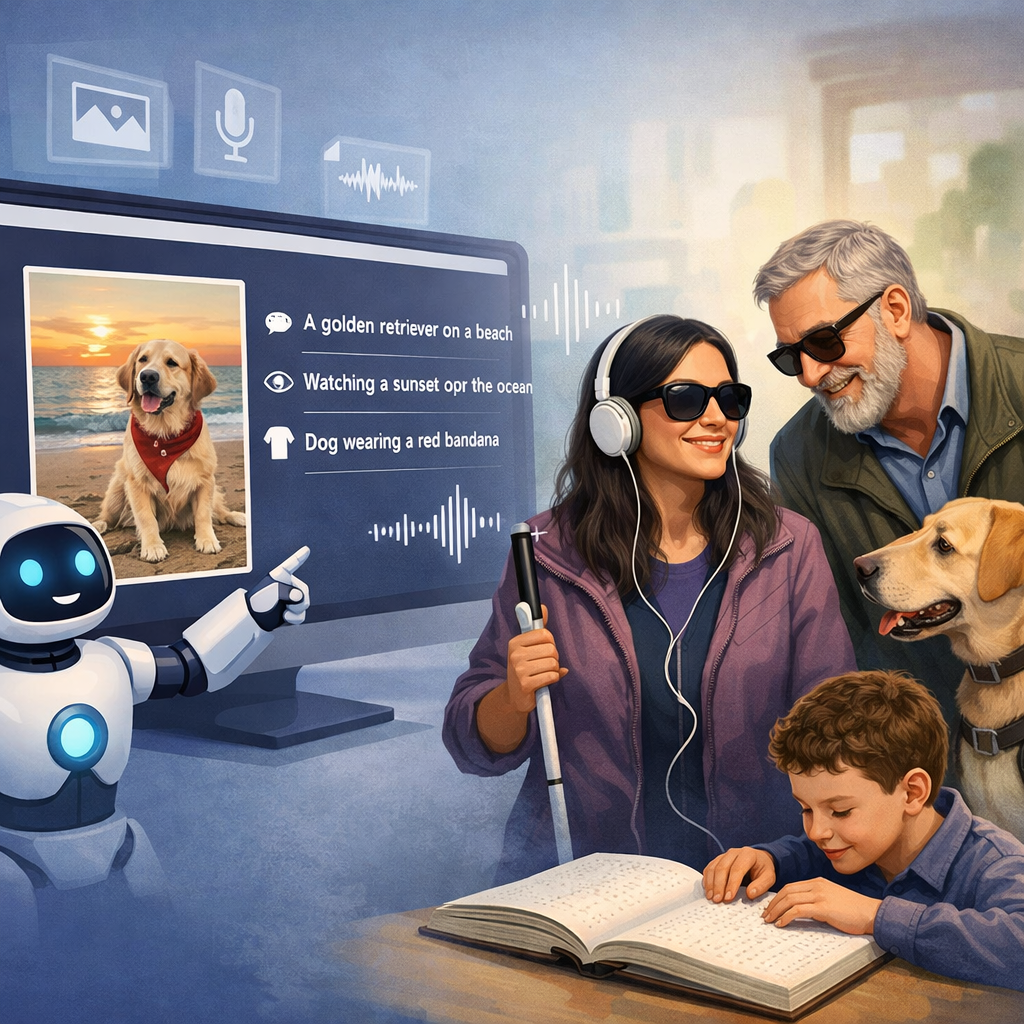
AI can describe images in seconds, but speed alone does not make a description useful. A strong image description should help a person understand what is visible, what matters most, and why the image may be relevant in a specific context. On a website like describeimageai.com, quality is important because users may rely on descriptions for accessibility, content review, research, product work, education, or publishing. If a description is too vague, it may miss key details. If it is too long, it can become hard to follow. If it focuses on minor elements, it may fail to explain the main subject of the image. This is why evaluating image description quality is a practical step for anyone who uses AI to turn visuals into clear text. Good evaluation helps users decide whether a result is ready to use as it is, whether it needs a quick edit, or whether the image should be described again with a better prompt.
When reviewing an AI-generated image description, the first question should be simple: does it match the image clearly and directly. A useful description usually identifies the main subject first, then adds important context such as actions, objects, setting, visible text, colors, or layout when those details matter. The level of detail should fit the goal. For example, a short summary may be enough for a basic overview, while a more detailed description may be needed for analysis or accessibility support. Quality also depends on wording. The language should be easy to read, neutral, and specific. Strong descriptions avoid filler phrases and unsupported guesses. Instead of adding assumptions about intent, background, or emotion, they focus on visible evidence in the image. This makes the output more reliable and easier to trust across different uses.

Key criteria to check in every description
There are several clear criteria that can help users evaluate image description quality in a consistent way. The first is accuracy. The description should reflect what is actually visible, without adding made-up details. The second is completeness. It should cover the most important parts of the image, not just one small area. The third is relevance. The description should include details that help the reader understand the image’s purpose instead of listing every visible item without structure. The fourth is clarity. Sentences should be direct and easy to understand. The fifth is conciseness. A good result says enough, but not too much. Another useful criterion is order. The best descriptions often move from the main subject to supporting details in a logical flow. If text appears in the image, that may also need to be mentioned when it is relevant. By checking these points, users can judge whether an AI image description is helpful for real tasks rather than simply readable.
It is also helpful to think about quality in relation to the final use case. A description for alt text may need to be shorter than a description for internal content review. A product team may care about item features, while an educator may care about scene details and relationships between objects. Because of this, the same image can have more than one good description depending on context. A useful evaluation method is to ask whether a person who cannot see the image would gain the right level of understanding from the text alone. If the answer is no, the description may need revision. Common signs of weak quality include generic wording such as “an interesting image,” missing key subjects, repeated phrases, and statements that go beyond what can be seen. Reviewing output with purpose in mind helps users get better value from AI and improves consistency across many images over time.
How to improve results after review
Once users know how to evaluate quality, they can improve future results more easily. One effective method is to refine the prompt by stating the goal of the description, such as a short summary, accessibility-focused text, or a detailed visual breakdown. Users can also request emphasis on specific elements like people, objects, actions, background, layout, or visible text. After receiving a description, a quick human review can correct unclear wording, remove assumptions, and add missing details. Over time, teams can create simple internal standards for what a strong image description should include. This makes output easier to compare and improves reliability across pages, products, and workflows. For a platform such as describeimageai.com, quality evaluation is not a separate step from image description generation. It is part of getting the best result. By focusing on accuracy, relevance, clarity, and purpose, users can turn AI-generated descriptions into content that is more useful, dependable, and ready for real-world use.