Why multilingual image descriptions matter
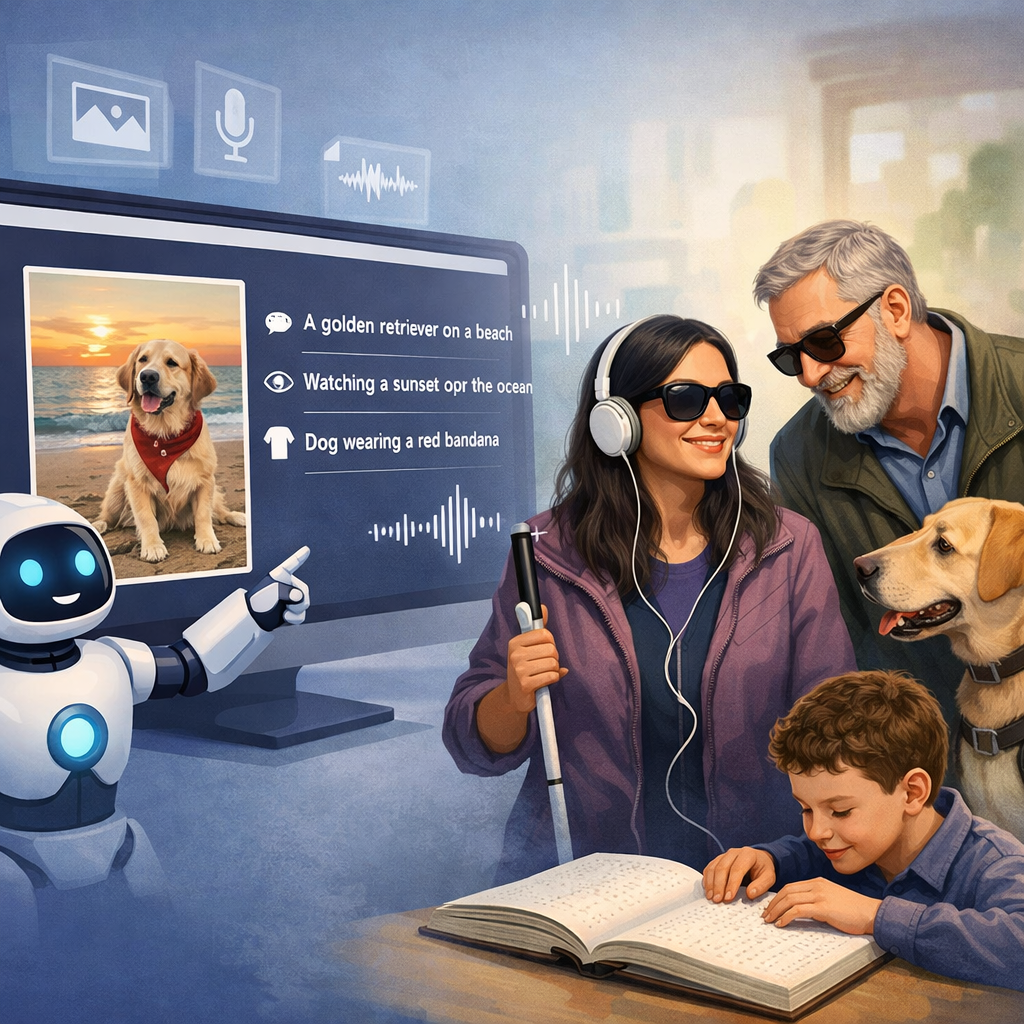
Multilingual image descriptions help websites, apps, and digital teams reach people in more than one language without changing the visual content itself. When an image is paired with clear text in a user’s preferred language, it becomes easier to understand the scene, identify key objects, and grasp the purpose of the image. This is useful for global businesses, educators, publishers, and support teams that serve audiences across different regions. It also helps users who rely on screen readers, translation tools, or text-based search. For a platform like DescribeImageAI, multilingual output can support broader communication by turning visual content into readable descriptions that fit different language needs. This can improve usability on product pages, learning materials, blog posts, social media assets, and internal documentation. It may also support better consistency when the same image is used across several markets, since teams can start from one description workflow and adapt it for local audiences. Clear multilingual descriptions also make it easier to organize image libraries, review assets faster, and reduce confusion when teams collaborate across countries.
How to create useful descriptions across languages
Good multilingual image descriptions start with a strong source description. The first version should be accurate, specific, and easy to understand. It should identify the main subject, important actions, visible text, setting, and any details that matter for the user’s goal. Once the base description is clear, it is easier to adapt it into another language while keeping the original meaning. Simple wording is important because overly complex phrases can lead to unclear translations or uneven results between languages. Teams should also think about local context. A useful description in one market may need small adjustments in another, especially when product names, cultural references, or formatting styles differ. For example, dates, measurements, color terms, and brand language may need localization rather than direct translation. Reviewing descriptions with native speakers or local editors can improve natural wording and reduce ambiguity. If an AI tool is used, it is helpful to check that the output stays focused on what is visible in the image and does not add assumptions. A practical workflow is to generate the image description, translate or localize it, then review it for clarity, tone, and consistency before publishing.

Where multilingual descriptions add value
Multilingual image descriptions can support many everyday tasks online. Ecommerce teams can describe product photos for customers in different regions, helping them understand color, style, materials, and visible features more clearly. Travel and hospitality brands can explain destination images, room photos, and amenities to international visitors. Educational platforms can make charts, classroom visuals, and historical images easier to access for multilingual learners. Newsrooms and content teams can improve the readability of visual assets for wider audiences, while software companies can use multilingual descriptions in help centers, onboarding materials, and knowledge bases. These descriptions can also improve internal search by making image collections easier to find through text queries in multiple languages. For accessibility, they provide another layer of support for users who need image content presented as text in their own language. For SEO, multilingual descriptive content may strengthen page relevance when used carefully alongside well-structured localized pages. The main goal is not to produce more text for its own sake, but to create image descriptions that are accurate, useful, and understandable wherever the content is published.