AI image descriptions serve many everyday needs
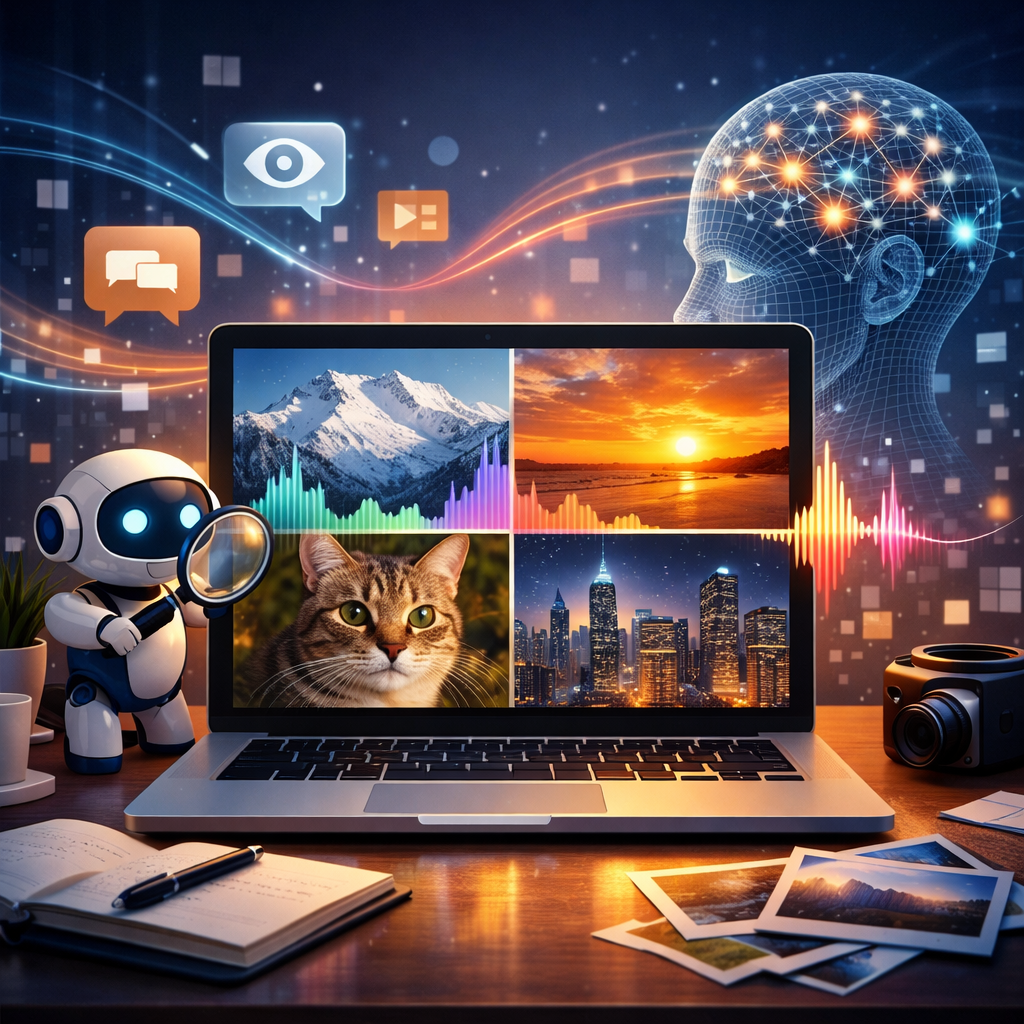
AI image descriptions are useful for far more than naming what appears in a picture. They help turn visual content into clear language that people can read, hear, search, save, and reuse. For a website like DescribeImageAI, this matters because images are everywhere across work, study, media, and daily communication. A single photo may include people, objects, text, colors, actions, or a specific setting, and many users need a simple way to turn those details into words. AI can support this process by quickly generating descriptions that are easier to review and adapt than writing everything from the beginning. This makes image understanding more practical for people with different goals, whether they need a short summary, a fuller explanation, or a starting point for editing. As visual content continues to grow online, image description tools help users keep up with large numbers of images in less time. They also reduce the effort needed to make visual information more usable in digital spaces. This is especially valuable when people work with product photos, screenshots, social media images, educational materials, blog content, or documents that include charts and diagrams. In each case, the main benefit is similar: AI image descriptions help convert what is seen into text that can support communication, access, and organization.
People who need support understanding images can benefit
One of the clearest groups that benefits from AI image descriptions is people who need text to better understand visual material. This includes users who rely on screen readers, users with low vision, and users who may not be able to view an image clearly because of device limits, poor image quality, or surrounding conditions. When an image is described in plain language, the content becomes easier to access and interpret. A useful description can explain the main subject, the visible action, and important context without forcing the user to guess what matters most in the image. AI tools can help by producing descriptions quickly, which is important when many images need to be processed. They can also support websites, blogs, and digital resources that aim to make content more inclusive. Beyond accessibility needs, image descriptions can help language learners, students, and general readers who want a clearer explanation of what a picture shows. They are also valuable when images contain text, signs, labels, or interface elements that need to be understood in words. In these cases, AI image describing tools can act as a practical bridge between visual and written information. They do not replace careful review in every situation, but they can make image content easier to understand for a much wider audience.
Content creators and businesses can work more efficiently
AI image descriptions also benefit people who create, publish, and manage digital content. Writers, marketers, ecommerce teams, bloggers, teachers, and social media managers often handle large volumes of images and need text that matches each one. Writing descriptions manually for every image can take time, especially when speed matters and content must be published across multiple channels. An AI image describer can help by generating a first draft that captures the main elements of an image, giving teams a practical base for captions, alt text, product content, internal notes, or catalog entries. For businesses, this can improve consistency across image-heavy pages and support better organization of media libraries. Teams can search, sort, and reuse images more easily when visual assets have clear text attached to them. This can be especially useful in online stores, real estate listings, travel content, news workflows, and educational platforms where images are central to the user experience. AI-generated descriptions can also support search visibility by helping image content become more understandable within a page, while still requiring human review for accuracy and brand tone. In this way, tools like DescribeImageAI fit naturally into content workflows that value speed, clarity, and scalable image handling without adding unnecessary complexity.
Students, professionals, and everyday users gain practical value
The benefit of AI image descriptions is not limited to specialists or large organizations. Students can use them to better understand visual materials in lessons, slides, and study documents. Professionals can use them to summarize screenshots, presentations, charts, or workplace images for reports and communication. Researchers and analysts may find them useful when organizing image collections or reviewing visual references more efficiently. Everyday users can also benefit when they want a quick explanation of a photo, a social media post, a scanned page, or a picture sent in a message. In many situations, the value comes from saving time and reducing uncertainty. Instead of trying to interpret every image manually, users can start with a generated description and decide what details matter most. This supports faster decision-making and clearer communication. It also helps people interact with visual content in places where images move quickly and attention is limited. As AI tools become more common in digital workflows, image description is becoming a practical feature rather than a niche one. DescribeImageAI supports this shift by giving users a direct way to turn images into readable text. The result is a more flexible way to work with pictures, whether the goal is understanding, accessibility, publishing, study, or everyday convenience.